
by Gertrud U. Rey
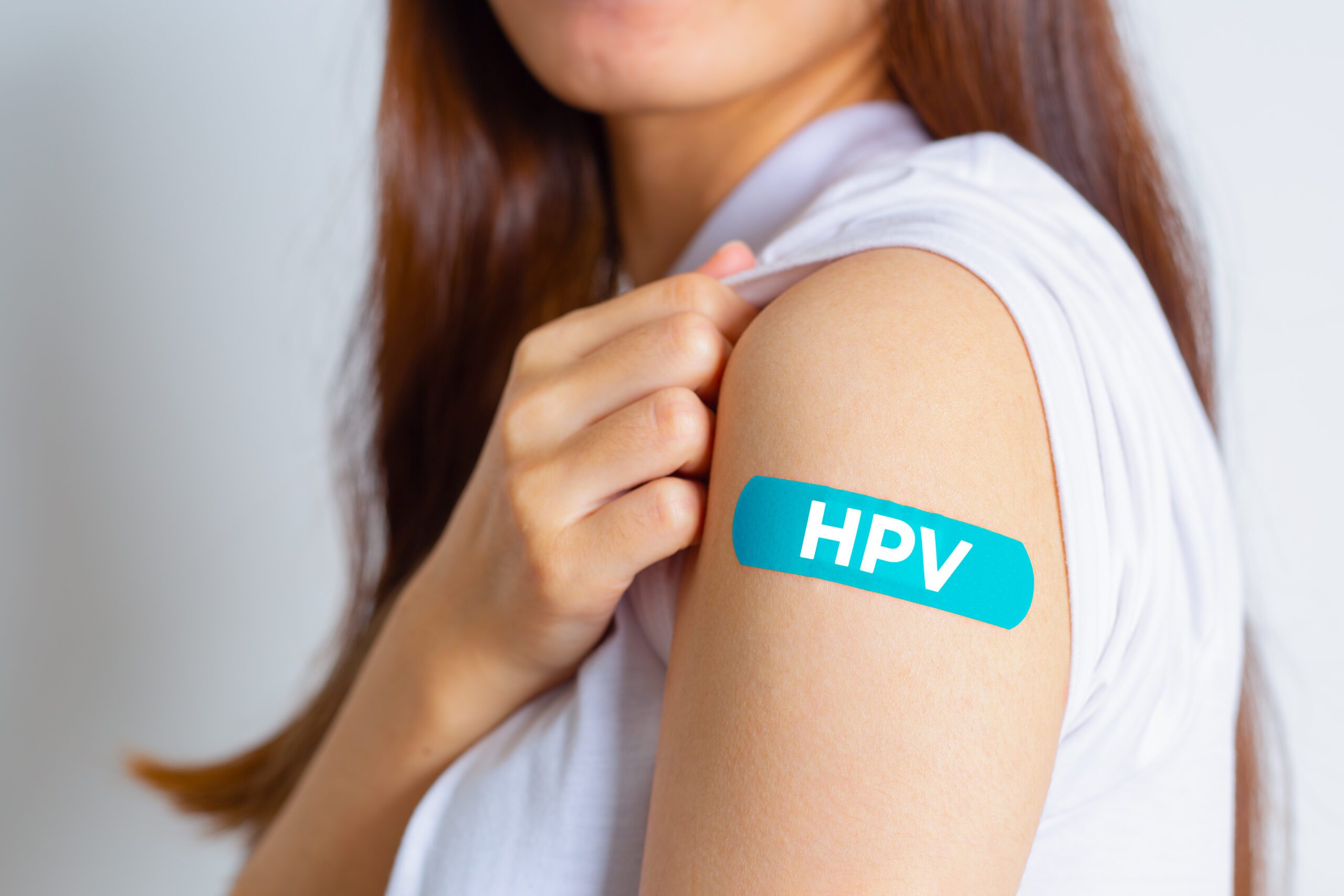
Contrary to popular belief, most vaccines don’t actually prevent infection with a pathogen, instead, they prevent the disease that follows infection. The human papillomavirus (HPV) vaccine stands out as a notable exception in this regard. A recent study indicates that antibodies produced in response to the HPV vaccine can neutralize the virus even after it has already attached to human cells – a property not typically linked to vaccines or antibodies in general.
The type of protection that prevents both infection and disease is known as sterilizing immunity and it is typically mediated by neutralizing antibodies, which bind a virus before it can enter cells. For infection to occur, a virus must first attach to receptors on a cell surface and then enter the cell, where it replicates before spreading to other cells. If antibodies interfere with this process – by blocking attachment or by preventing the structural changes required for cellular entry – they effectively neutralize the virus before infection begins.
HPV infection is unusual because it progresses slowly. After attaching to epithelial cells, HPV particles can remain on the cell surface for hours before being internalized. This delay leaves the virus exposed and susceptible to degradation – creating an extended window during which antibodies can intervene. Based on this observation, the authors of the study asked whether antibodies from vaccinated individuals could still inactivate HPV particles after the particles had already attached to cells.
To answer this question, the researchers analyzed antibodies isolated from the blood samples of women vaccinated with the Gardasil vaccine, which protects against the most common sexually transmitted strains of HPV, including HPV-16. They examined two types of antibodies: serum antibodies, which represent the combined activity of many different B cells, and monoclonal antibodies derived from HPV‑16-specific memory B cells. Serum antibodies are polyclonal, recognizing many antigen epitopes, and thus reflect the complexity of real-world immune responses. In contrast, each monoclonal antibody type targets a single viral epitope, and using monoclonal antibodies allows for a more precise understanding of immunological mechanisms and reveals distinct neutralization strategies.
Using an engineered, non-infectious version of HPV-16, the researchers first allowed the virus to attach to cultured human skin cells, then introduced either serum or monoclonal antibodies at time points ranging from 3 to 24 hours later. They then assessed whether infection could still proceed following addition of the antibodies. Both types of antibodies almost completely blocked infection when added 3 hours after viral attachment, and even after a 250-fold dilution. Remarkably, this effect was still present (though at a reduced level) when antibodies were introduced as late as 18 hours after attachment. Collectively, these findings demonstrate that anti-HPV antibodies remain effective for hours after a virus attaches to a host cell membrane and that they are extremely potent even at low concentrations. Furthermore, the antibodies don’t just prevent attachment – they can prevent progression of infection even after the process has already begun.
Fluorescence microscopy revealed three distinct mechanisms by which HPV monoclonal antibodies function after the virus has attached to the cell. Briefly, they can 1) cause the virus to detach from the cell surface entirely; 2) lock the virus in place, thereby blocking the structural changes needed for the virus to get internalized into the cell; and in some cases, they can 3) accompany the virus into the cell and trigger its destruction before replication begins.
Evidence from clinical trials and long-term research consistently demonstrates that HPV vaccine-mediated protection from infection is real. Even when doctors use the most advanced and sensitive tests, vaccinated people often never test positive for the specific types of HPV covered by the vaccine, confirming that the immunity induced by HPV vaccination is, in fact, sterilizing.
These findings reshape our understanding of how antibodies work and provide a new perspective on the power of vaccines. Rather than acting only as a barrier at the cell surface, HPV vaccine-induced antibodies function like a layered defense system, intercepting the virus at multiple stages of infection. And the takeaway is striking: HPV vaccination doesn’t just reduce cancer risk – it prevents infection altogether.
[This paper was discussed in detail on TWiV 1309.]